
At first glance, the A18 between the A46 at Laceby and the A16 near Ludborough seems like an ordinary rural road. It crosses open Lincolnshire countryside, passes fields and woodland, and connects communities that depend on it every day. There are no towering cliffs or dramatic mountain bends to announce the danger.
That is precisely why the road demands respect.
The A18 can create a false sense of security. Open stretches encourage drivers to build speed, while bends, junctions and changing traffic conditions can quickly reduce the margin for error. Cars share the route with motorcycles, lorries, tractors and other slow-moving vehicles, making every journey potentially unpredictable.
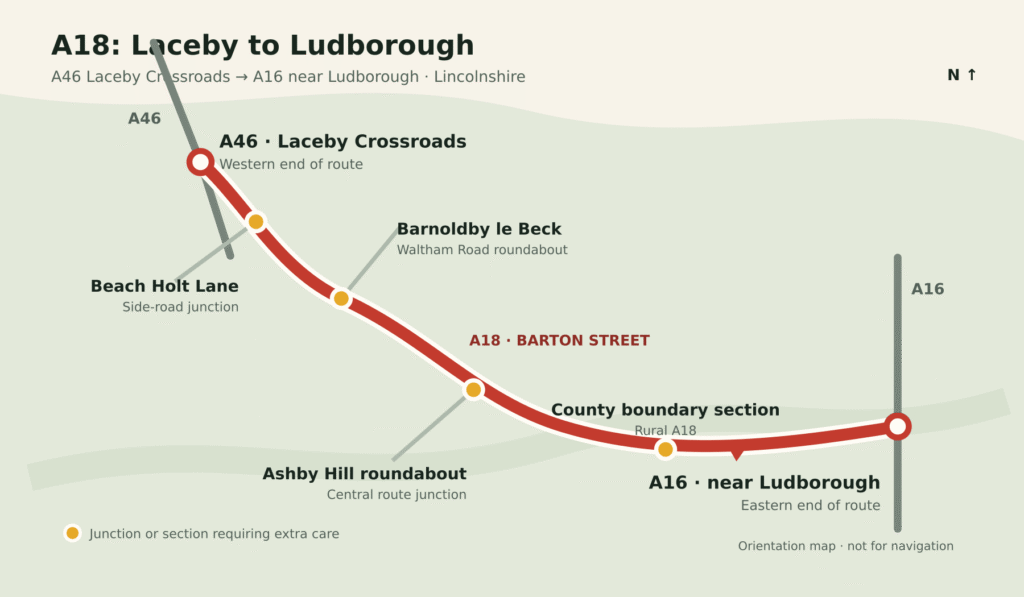
The A18 near the A46 at Laceby
The Laceby end of the route brings together local and through traffic. Drivers joining or leaving the A18 must judge the speed and position of other vehicles while watching signs, lanes and turning movements.
The surrounding roads can feel familiar and straightforward, especially to regular commuters. Familiarity, however, can lead to automatic driving: approaching too quickly, following too closely or looking without fully registering an oncoming motorcycle or vehicle. Extra care is needed wherever traffic leaves the faster road and meets local routes.
Barton Street and its side-road junctions
Barton Street is one of the most important parts of this section of the A18. It combines rural-road speeds with side roads, property entrances and turning traffic. A vehicle waiting to turn can cause traffic behind it to slow suddenly, while a driver emerging from a side road may have only a limited view.
The Beach Holt Lane junction deserves particular caution. Drivers should approach prepared for another vehicle to enter, leave or cross their path. Hedges, trees, poor weather and low light can all make it harder to judge distance and speed.
This is not a place for late braking or impatient overtaking. A safe approach means reducing speed before the junction, looking carefully in both directions and leaving enough space for another road user to make a mistake.
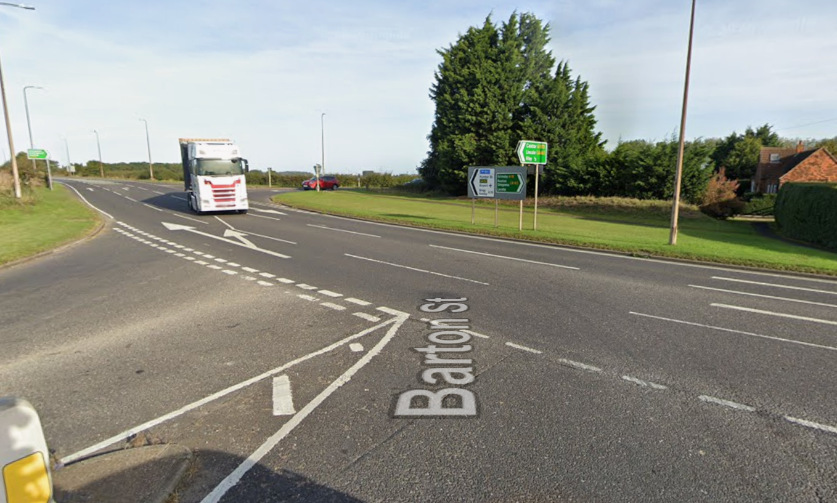
The roads around Great Limber
The A18 around Great Limber passes through a changing rural landscape where open sections can lead into bends, shaded areas and junctions. The road may appear clear, but the visible stretch ahead is not always long enough to make overtaking safe.
Motorists must also be ready for agricultural vehicles, mud on the carriageway and traffic entering from minor roads. A tractor or slow-moving vehicle can tempt drivers into taking a chance, but frustration is never a reliable guide to whether the road ahead is clear.
Tree cover can create alternating patches of bright light and shadow, making motorcycles, cyclists and darker vehicles more difficult to see. In wet or cold conditions, shaded sections may also remain slippery after more exposed parts of the road have dried.
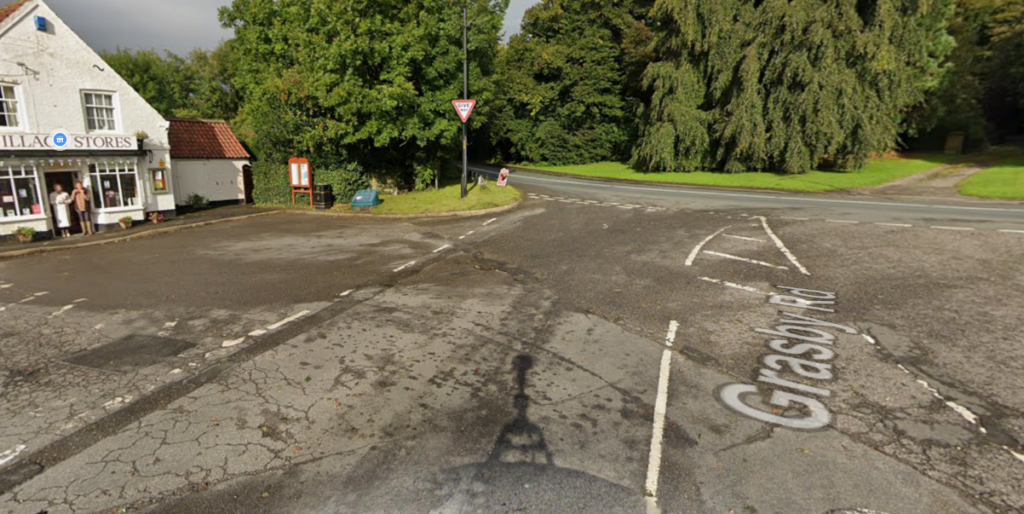
The Ludborough approach and the A16 junction
Near Ludborough, drivers approach another important transition point as the A18 meets the A16. Traffic may be slowing, changing direction or preparing to join a different route. Drivers concentrating on signs or navigation can fail to notice a queue or turning vehicle ahead.
The village approach also calls for a change in pace. After travelling on open rural roads, a lower speed can feel unusually slow even when it is appropriate for the surroundings. Drivers should check their speed deliberately instead of relying on instinct.
At the A16 junction, patience and observation are essential. A hurried decision may save only seconds but removes the safety margin needed if another vehicle is hidden, approaching faster than expected or changing direction.
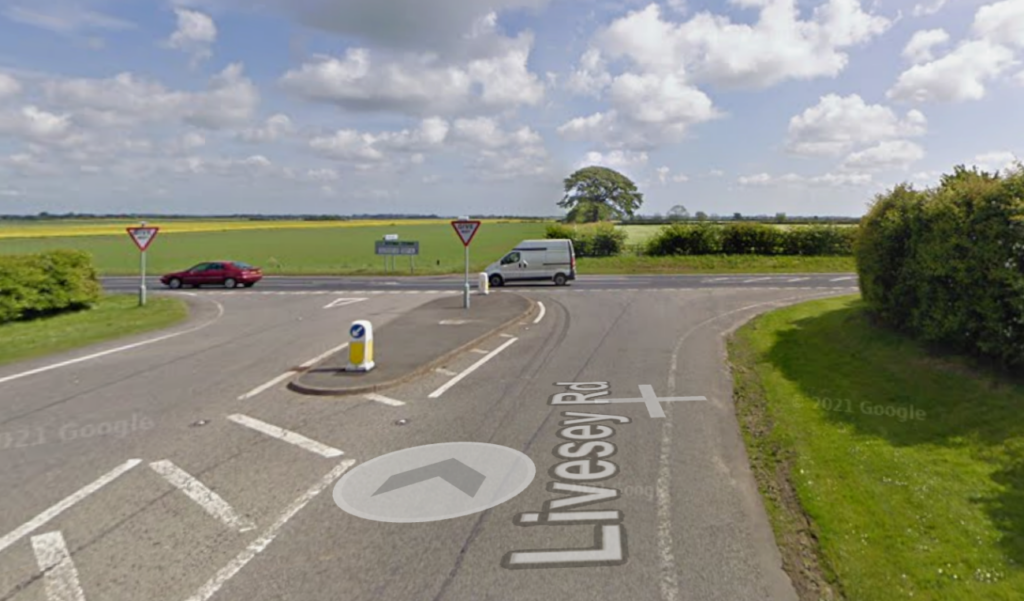
Bends, blind spots and deceptive visibility
The danger of this route does not come from one feature. It comes from several ordinary hazards appearing together.
A driver may leave an open section and enter a bend too quickly. Farther on, another vehicle may be waiting to turn across traffic. Trees, hedges and roadside growth can shorten sight lines, while rain or low sun can make a familiar junction difficult to read. Each hazard may seem manageable by itself; combined, they can overwhelm a driver who has left too little time or space to react.
The safest rule is simple: never drive faster than the distance you can clearly see to be safe. The speed limit is a maximum, not a target. Darkness, standing water, farm traffic, damaged road edges and poor visibility may all require a slower approach.
Why motorcycles face particular danger
Motorcyclists are especially vulnerable on rural roads. They are smaller in a driver’s field of vision, can disappear briefly behind a windscreen pillar or roadside object, and have none of the protective structure of a car. Gravel, diesel, mud and uneven road edges can also be far more dangerous on two wheels.
Drivers should look twice before pulling out or turning across traffic. They should never assume that a motorcycle is far away simply because it appears small. Motorcyclists, meanwhile, need to preserve a clear view through bends, anticipate vehicles at junctions and avoid riding at a speed that leaves no room for the unexpected.
Road improvements help, but behaviour matters
Clearer signs, rumble strips, well-maintained road markings, and unobstructed sightlines can make the A18 safer. Good drainage and prompt repairs also matter, particularly on bends and at the carriageway edge.
Engineering alone, however, cannot remove every danger. The most effective safety feature remains a driver who expects conditions to change. That means leaving a generous following distance, slowing before bends, avoiding risky overtakes, watching side roads and resisting distractions.
For highway authorities, the responsibility is to continue inspecting the A18, Barton Street and the approaches to Laceby, Great Limber and Ludborough; keep signs and road markings visible; maintain the surface and verges; and respond quickly when local people identify a developing hazard.
A road should connect communities, not divide them
The A18 is essential to this part of Lincolnshire. The answer is not to portray it as a road nobody should use, but to understand why its peaceful surroundings can be misleading.
From the A46 at Laceby, along Barton Street and past Great Limber, to the A16 near Ludborough, every part of the route requires attention, patience and respect. Safe driving here is not dramatic. It is a series of small, sensible choices: easing off the accelerator, looking twice, leaving more space and refusing a risky overtake.
On the road from Laceby to Ludborough, arriving a few minutes later is always better than not arriving.