
Driving Safely on the A361: Banbury to Chipping Norton
If you regularly drive the A361 between Banbury and Chipping Norton, you’ll know it’s a road that can demand plenty of attention.
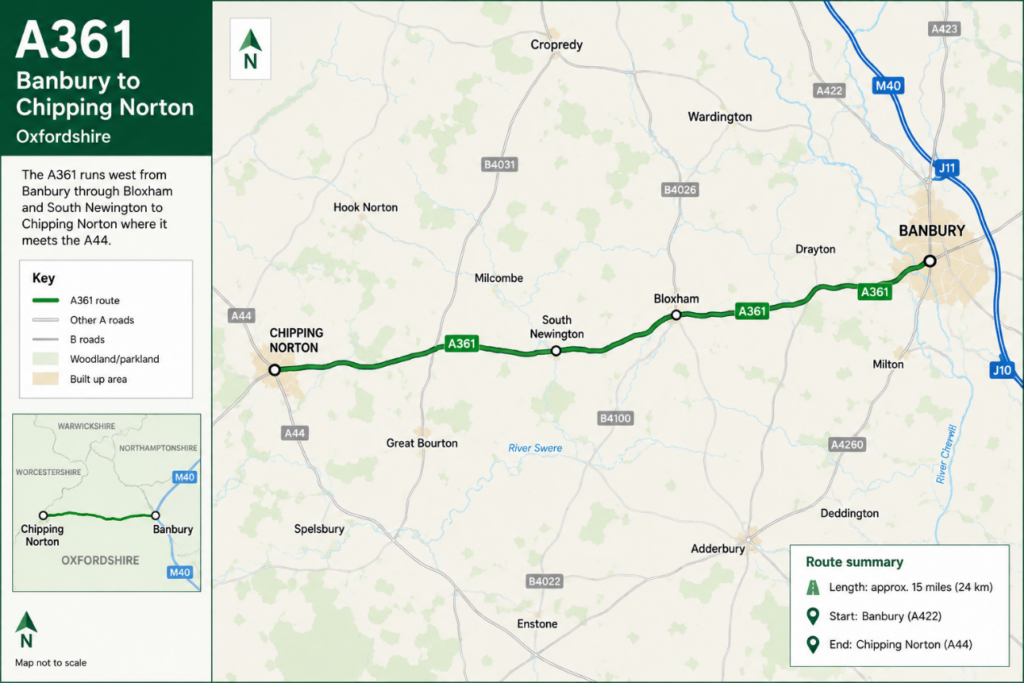
The route heads west from Banbury through the Oxfordshire countryside, passing through or close to villages including Bloxham and South Newington before reaching Chipping Norton and the A44.
For local motorists it can be an everyday journey to work, school or the shops. But it’s also used by HGVs, agricultural vehicles, cyclists, motorcyclists and visitors heading towards the Cotswolds.
That mix of traffic, combined with bends, junctions and changing speed limits, means it’s worth giving the road your full attention, however well you know it.
Take extra care between Bloxham and Chipping Norton
A particular area where drivers should stay alert is the rural section west of Bloxham towards Chipping Norton.
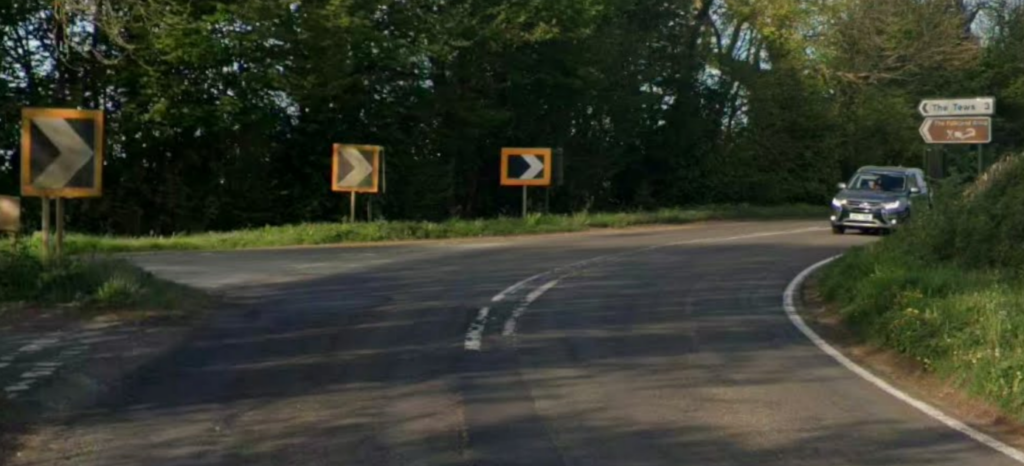
Here, the A361 becomes a typical country A-road, with bends, changes in gradient, side roads and entrances to farms and properties. Visibility can change quickly. A stretch that looks clear may have a junction, cyclist, tractor or queue of traffic just beyond the next bend.
The best approach is simple: drive at a speed that gives you time to deal with whatever appears ahead.
Watch your speed through Bloxham
The character of the road changes as you travel through Bloxham.
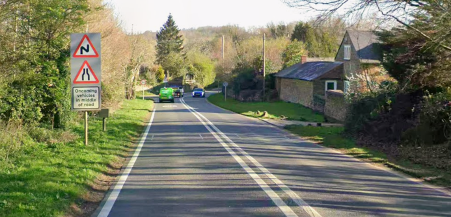
This is a busy village rather than simply another section of the A361. Drivers need to be prepared for pedestrians, cyclists, parked vehicles, buses and traffic entering or leaving side roads. There are also schools and community facilities in the area, meaning there can be considerably more activity at certain times of day.
If you’re coming off a faster rural section, reduce your speed before entering the village rather than waiting until you’re already among houses and pedestrians.
Give yourself more time at junctions
Rural junctions can be easy to underestimate.
A vehicle waiting at a side road may pull out. Someone travelling ahead may brake suddenly to turn right. A tractor may emerge from a field entrance that you hadn’t noticed.
When you see another vehicle waiting at a junction, ask yourself:
“What happens if they pull out?”
If you wouldn’t have enough time or space to react safely, ease off the accelerator and create that extra margin. It’s particularly important when approaching bends or junctions where your view of approaching traffic is limited.
Be patient with tractors and slower traffic
Agricultural vehicles are a normal part of driving in this part of Oxfordshire. Catching up with a tractor can be frustrating, especially if you’re running late. But trying to squeeze past on a bend or before a junction can turn a minor delay into a very serious situation.
Wait until you can clearly see that there is enough road ahead to overtake and return safely to your side.
The same applies when following cyclists or other slower road users. A few extra minutes on your journey is a small price to pay for getting there safely.
Look out for cyclists and motorcyclists
The countryside around Banbury and Chipping Norton is popular with both cyclists and motorcyclists, particularly at weekends and during better weather. Cyclists may be difficult to see around bends or when travelling in shaded areas. Give them plenty of room when overtaking and wait if there isn’t enough space to pass safely.
Motorcycles can present a different challenge. Their smaller size can make it harder to judge their speed and distance when you’re waiting at a junction.
Look carefully, then look again before pulling out.
Take care as you approach Chipping Norton and the A44
At the western end of the journey, traffic builds again as you approach Chipping Norton and the A44.
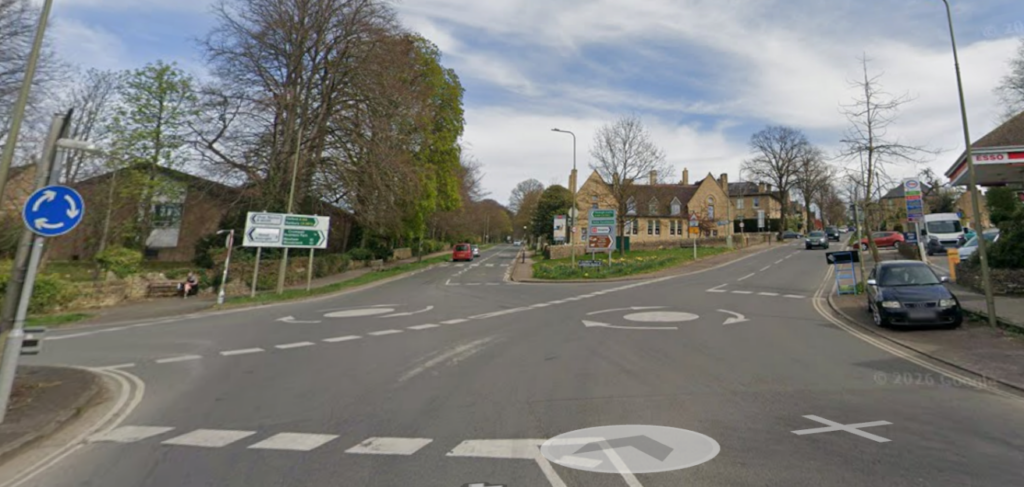
After travelling along a rural road, it’s important to adjust to the busier environment. Expect more junctions, turning traffic, pedestrians and vehicles slowing ahead of you.
Don’t follow the vehicle in front too closely. Leaving a sensible gap gives you a much better view of the road and more time to react if traffic suddenly slows.
Darkness and bad weather change everything
A road you know well in daylight can feel completely different after dark.
Rain, fog, low sun, ice and standing water can all reduce the amount of time you have to react. Rural sections can also be particularly dark at night, making pedestrians, cyclists, animals and road hazards harder to spot.
Being within the speed limit doesn’t automatically mean you’re travelling at a safe speed for the conditions.
Five things to remember on the A361
- Take extra care on the rural stretch between Bloxham and Chipping Norton.
- Reduce your speed before entering villages and built-up areas.
- Expect tractors, cyclists and vehicles turning at rural junctions.
- Don’t risk an overtake unless you can clearly see that it’s safe.
- Leave more space and slow down in darkness or poor weather.
Familiar roads still need your attention
For many motorists in Oxfordshire, the A361 between Banbury and Chipping Norton is simply part of everyday life.
And that’s exactly why it’s important not to become too comfortable with it.
Conditions change. There may be a tractor around a bend that wasn’t there yesterday, a cyclist ahead, a vehicle waiting to turn or traffic slowing unexpectedly as you approach a village.
Give yourself a little more time, leave a little more space and look twice before taking a chance.
Getting to Banbury, Chipping Norton – or anywhere in between – safely is always more important than arriving a few minutes earlier.