
When people think of danger and speed, they picture Formula 1, Le Mans, or similar, not the daily commute to work. But in reality, the most dangerous “track” most of us ever drive, including if you’re a racing driver, is the public road, not a purpose‑built race circuit.
This isn’t because racing is safe, it’s because racetracks are controlled environments, and roads are not. When you mix speed with uncertainty, distraction, and a huge variety of road users, the risk climbs far beyond what most drivers realise.
This article examines why driving too fast or without a defensive mindset is far more dangerous on the road than on a race track, and why treating every journey like a casual drive is a trap.
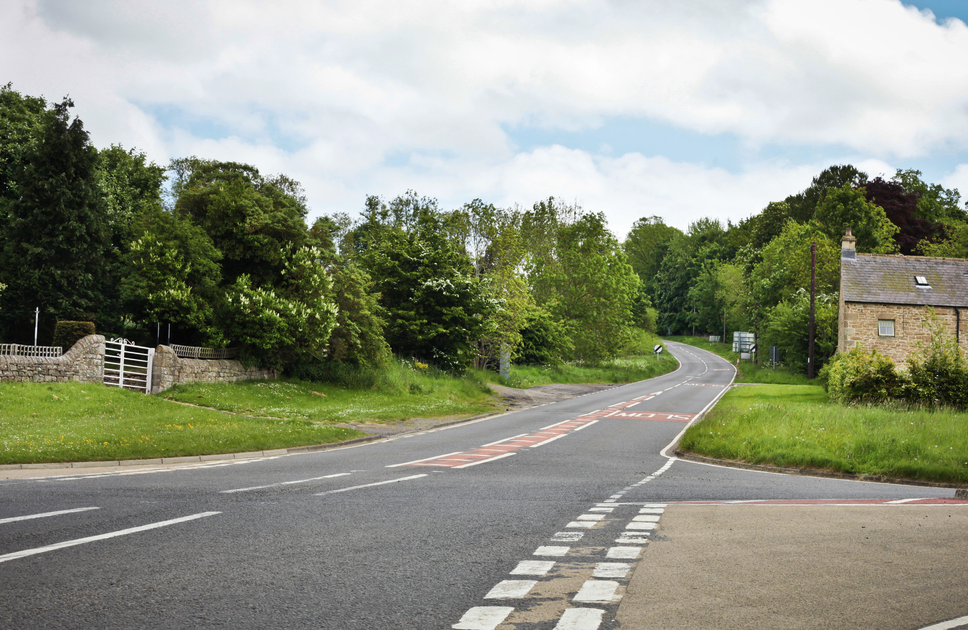
Race tracks are built for mistakes. Roads are not.
On a race track, everyone knows what the circuit is for: high speed, high risk, managed carefully. Everything is designed around that idea.
What tracks have that roads don’t:
Run‑off areas – wide tarmac or gravel traps to slow a car that leaves the track. On the road, you have ditches, lamp posts, trees, walls, parked cars, and oncoming traffic.
No oncoming vehicles – all cars travel in the same direction. On the road, a small mistake can put you directly into the path of an oncoming vehicle at a lethal combined closing speed.
Consistent surface – racetracks are maintained for grip. Potholes, mud, diesel spills, loose gravel and broken tarmac are rare and usually dealt with quickly. Roads can change from smooth to dangerous in a few metres.
Clear visibility – corners are designed to be predictable; sightlines are engineered. On the road, you have blind bends, hidden junctions, parked vehicles blocking views, overgrown hedges, and cresting hills hiding hazards.
Designed escape routes – if something goes wrong, there’s often somewhere for the car to go other than into something solid. On the road, you’re boxed in by kerbs, barriers, pavements, and pedestrians.
In short, tracks assume you’ll make mistakes and try to soften the consequences. Roads don’t.
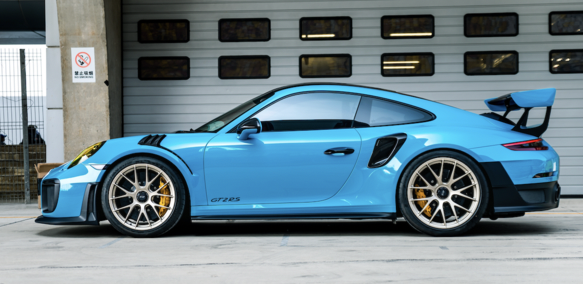
Everyone on track knows the game. On the road, most people don’t.
On a race circuit, no matter what level you’re at, there is a shared understanding:
– Every driver is briefed, licensed or vetted
– Everyone expects high‑speed manoeuvres, sudden braking, and overtakes
– There are strict rules (flags, pit regulations, penalties) that are understood and enforced
Compare that with the road:
You share space with learner drivers, elderly drivers, distracted drivers, aggressive drivers, drunk or drug‑impaired drivers, and everyone in between. Many road users are not paying full attention; they are thinking about work, the kids, their phone, their sat nav, the song on the radio. Not everyone understands or respects the rules in the same way; speeding, tailgating and phone use are common. So when you drive fast on a circuit, you’re at least surrounded by people who know what ‘fast’ demands of them. On the road, you’re guessing at the competence and mindset of everyone around you. That guess can easily be wrong.
Variables on the road change in an instant:
A racetrack is relatively stable over the course of a session. Yes, grip levels and tyre temperatures change, but the big variables are known and managed. While there can be ‘offs’, they are usually managed very quickly and communicated across the track via flags to alert drivers.
On the road, variables can change without warning:
Weather – sudden rain, fog, ice patches, or low sun blinding you at exactly the wrong moment.
Unexpected obstacles – a fallen branch, road debris, a broken‑down vehicle half on the carriageway, livestock, or an animal running out.
Human behaviour – a child stepping into the road, a cyclist swerving around a pothole, a driver pulling out of a side road without looking properly.
Road layout changes – temporary roadworks, new junctions, changed priorities, poorly signed lane closures.
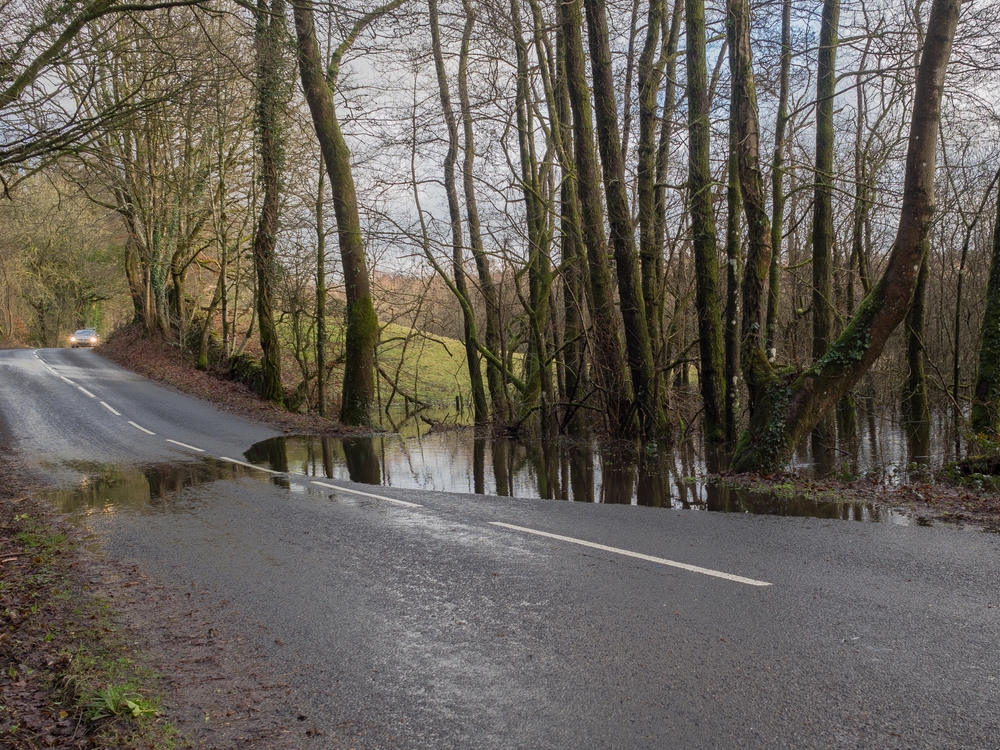
When you’re driving too fast or not defensively, you leave yourself no time and no space to respond when one of these variables suddenly changes. That’s when a simple hazard becomes a crash, or something much worse.
This applies to all drivers, whether you’re an F1 world champion or have just passed your driving test.
Safety Equipment: Track vs Road
On a race circuit, both car and driver are usually surrounded by safety systems:
– Roll cages, harnesses, race seats
– Fire suppression systems
– HANS devices and helmets
– Racing suits and gloves
– Armco barriers, tyre walls, safety fences
– Marshals, safety cars, medical teams on standby
On the road, most drivers have:
– A standard seatbelt
– No helmet or HANS devices
– No race gloves or suits
– No Marshalls, safety cars or medical teams on standby
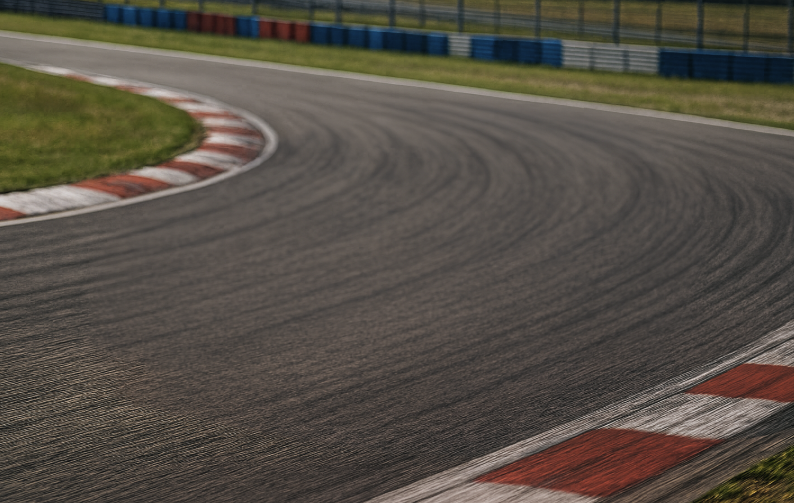
Speed on the Road – The Multiplier of Every Mistake
Speed itself doesn’t cause collisions, but it magnifies every error:
– The faster you go, the longer your stopping distance.
– The faster you go, the less time you have to see, think, decide, and act.
– The faster you go, the more energy needs to be dissipated in a crash.
On a racetrack, drivers generally:
– Know the corners, braking points and grip limits.
– Drive in conditions where they can see what’s coming.
– Expect the behaviour of other cars to be broadly predictable.
On the road, most collisions involve:
– Someone not seeing something in time (or at all).
– Someone misjudging another road user’s speed or intent.
– Someone failing to leave space for an unexpected event.
Add speed to any of those, and you convert a minor incident into a serious collision.
Why defensive driving matters so much more on road:
Defensive driving is the mindset that says:
“I will assume others can make mistakes, and I will leave myself room to cope with those mistakes.”
On a circuit, drivers assume a certain baseline of skill and awareness. On the road, defensive driving is essential because you cannot safely assume anything about other road users.
Key elements of defensive driving on the road include:
Looking much further ahead – Scan beyond the car directly in front. Read the whole scene: junctions, side roads, pedestrians on the pavement, brake lights in the distance.
Maintaining a safety bubble – Leave space in front, behind and to the side wherever possible. Space is your number one safety system, it gives you time and options.
Adjusting speed to conditions, not just the limit – The speed limit is a maximum, not a target. In rain, at night, near schools, past junctions, in heavy traffic, a safe speed is often significantly lower.
Planning for the “what if?” – What if that car pulls out? What if the cyclist swerves? What if the child runs out? If your current speed and position don’t allow you to cope, you’re relying on luck.
Positioning for visibility – Use your road position to improve what you can see, and what others can see of you. If you can’t see, slow down.
When you adopt this mindset, driving becomes less about “making progress” and more about managing risk in a changing, imperfect environment. That’s exactly what the road is.
Conclusion – Treat the road with more respect than the track
The irony is this:
– Racetracks look wild, loud and dangerous, and they are, but within limits that are managed and understood.
– Roads look ordinary and familiar, but they carry far more unseen risk for drivers, especially when speed and complacency enter the picture.
The road is the world’s most dangerous track because:
– It isn’t designed for you to push limits.
– It’s shared with people who aren’t expecting racing behaviour.
– Its conditions can change instantly.
– It offers very little forgiveness when things go wrong.
If you want to drive quickly, a racetrack is where that belongs. On the road, the real mark of a skilled driver is not how fast they can go, but how safely and calmly they can manage risk.
Drive defensively. Respect the variables. And remember: You’re on the world’s most dangerous track.