
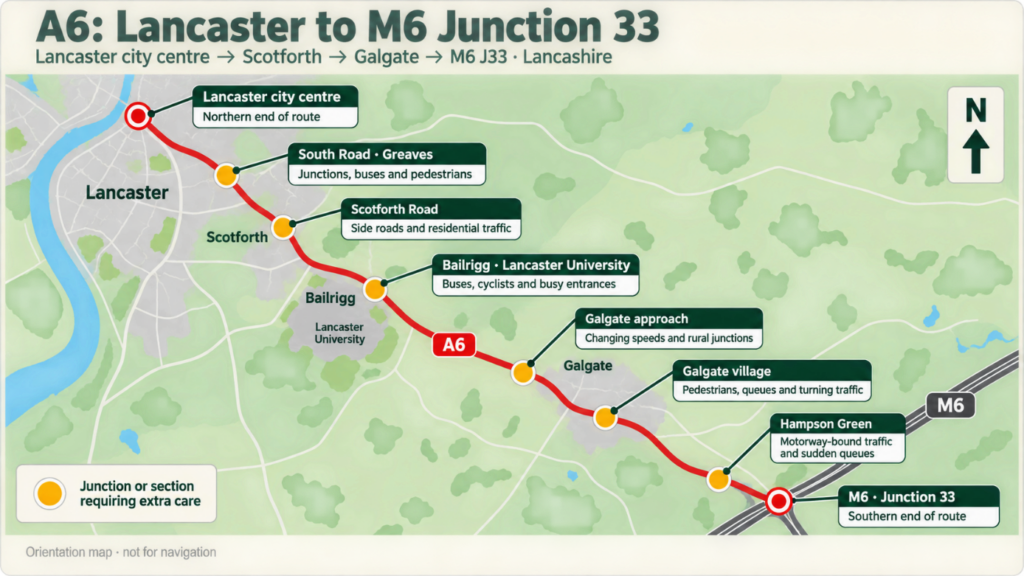
The A6 between Lancaster city centre and M6 Junction 33 is one of the area’s busiest routes. It passes through Scotforth, alongside the university and through Galgate before reaching the motorway at Hampson Green.
This short stretch carries commuters, students, buses, cyclists, pedestrians and heavy goods vehicles. Its character changes repeatedly, moving from congested city streets to residential areas, village roads and faster rural sections.
A recognised high-risk route
The principal concern points are:
- Lancaster city centre
- South Road and Greaves
- Scotforth Road
- Hala and Bailrigg
- Lancaster University entrances
- The rural approach to Galgate
- Galgate village and its junctions
- The Hampson Green approach
- M6 Junction 33
The A6 from Lancaster through Scotforth and Galgate to Junction 33 was included in Lancashire’s Safer Roads Fund programme. Improvements along the corridor have included clearer road markings, signs and other measures designed to reduce serious collisions. Funding was also allocated for average-speed cameras to encourage drivers to maintain steadier speeds.
Safety cameras do not remove the need for judgement. Drivers may need to travel well below the limit near junctions, crossings and busy pedestrian areas.
Lancaster city centre
At the northern end of the route, drivers must deal with junctions, traffic lights, buses, cyclists and pedestrians. Queues can develop quickly, particularly during commuting and shopping periods.
Motorists should watch for:
- Pedestrians crossing between vehicles
- Buses stopping or pulling away
- Cyclists filtering alongside traffic
- Late lane changes
- Vehicles turning into side roads
- Queues extending across junctions
Leave enough space to stop safely and avoid entering a junction unless there is room to clear it.
South Road and Greaves
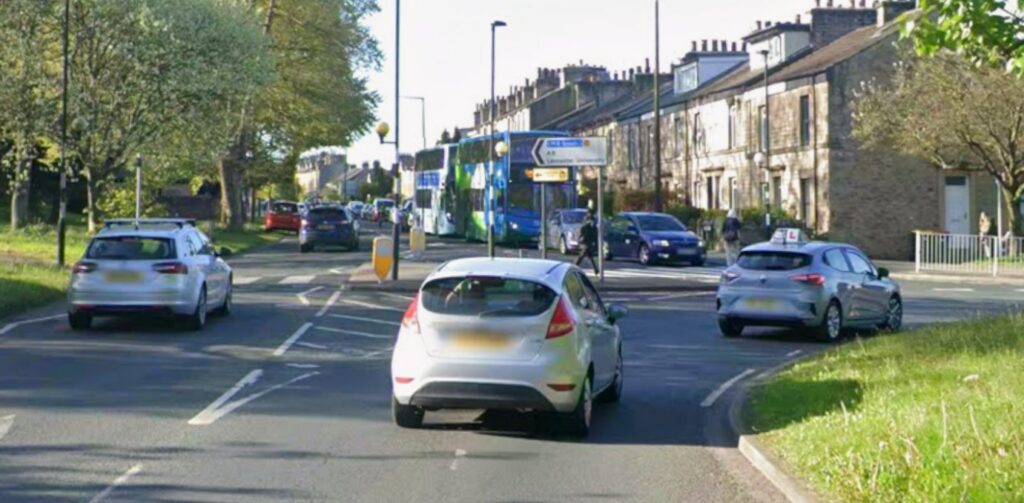
South of the city centre, the A6 passes through the busy South Road and Greaves area. Homes, businesses and local roads sit close to the carriageway, creating frequent turning movements. Drivers may be concentrating on signs or searching for an entrance. Maintain a safe following distance and expect vehicles ahead to slow with limited warning.
Particular care is needed around crossings, traffic lights and bus stops, where pedestrians may be partly hidden by larger vehicles.
Scotforth Road
Scotforth Road is one of the main concern areas along the route. Through traffic mixes with residents, school journeys, buses, cyclists and vehicles entering from numerous side roads. Parked cars and queuing traffic can restrict visibility. Drivers should reduce speed and look beyond the vehicle immediately ahead for indicators, brake lights and pedestrians waiting to cross.
Avoid overtaking near junctions or crossings, even when traffic is moving slowly.
Hala and the southern edge of Lancaster
As the A6 continues towards Hala and Bailrigg, the road begins to open, but local traffic and roadside development remain significant. Vehicles may enter from residential roads or turn towards nearby facilities. Cyclists are also likely to use this corridor, particularly during busy commuting periods.
The gradual transition from urban to more open road can encourage drivers to accelerate too early. Wait until the road and conditions clearly allow a safe increase in speed.
Lancaster University and Bailrigg
The university area brings high levels of pedestrian, cycle, bus and vehicle activity. Traffic volumes can change considerably around the beginning and end of the working or academic day.
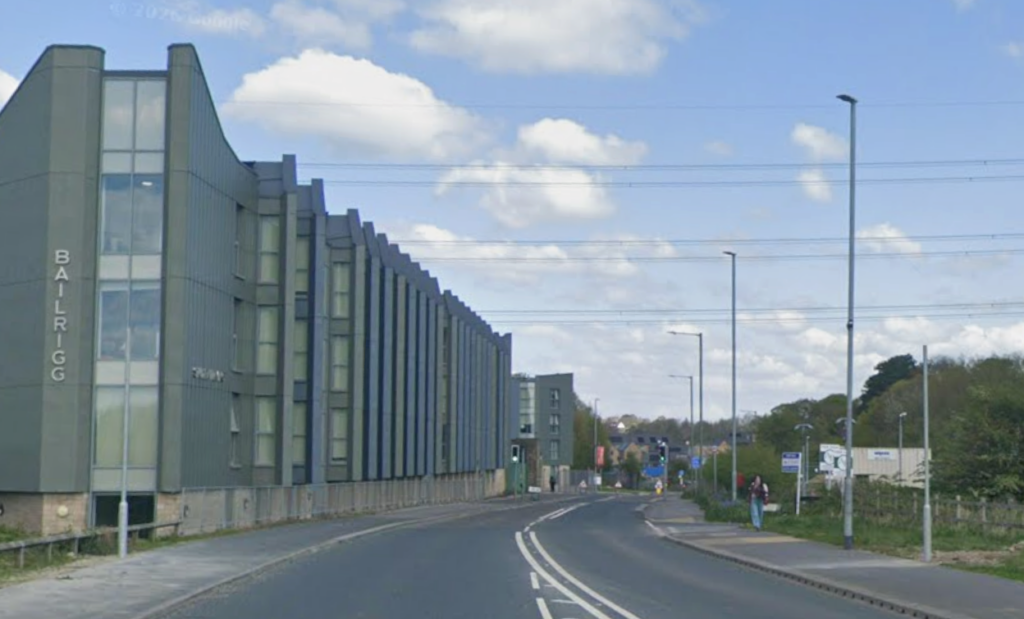
Drivers should expect:
- Buses entering and leaving stops
- Students and staff crossing the road
- Cyclists joining or leaving the A6
- Vehicles slowing for university entrances
- Queues forming at busy times
- Unfamiliar drivers making late decisions
Reduce speed before the junctions and give cyclists enough room. Never follow another vehicle through a traffic light or crossing without checking that your own path is clear.
The rural approach to Galgate
South of Bailrigg, the A6 becomes more rural. Longer views may encourage higher speeds, but bends, dips and entrances can still hide approaching or turning traffic. Agricultural vehicles may join from farms or fields, while mud and standing water can reduce grip after wet weather.
Overtaking should only be attempted when the entire road ahead is visible, and there is enough space to complete the manoeuvre without forcing another road user to slow down.
Galgate village
Galgate is one of the most demanding parts of the route. The A6 passes directly through the village, where homes, shops, buses, pedestrians and local junctions sit close to the road. Traffic may slow suddenly or queue through the centre. Large vehicles can make the road feel particularly narrow, while parked vehicles may hide pedestrians.
Drivers should:
- Reduce speed before entering the village
- Expect pedestrians near shops and bus stops
- Watch for vehicles turning into side roads
- Leave room for buses and heavy goods vehicles
- Avoid blocking junctions when queuing
- Remain patient during busy periods
A lower and steadier speed gives drivers more time to respond to unexpected movements.
Galgate junctions
Several roads meet the A6 in and around Galgate. Turning vehicles may wait in the carriageway, while traffic emerging from side roads must judge gaps in a busy flow. Do not overtake close to a junction. A slow-moving vehicle may be preparing to turn rather than inviting you to pass.
Drivers joining the A6 should wait for a clearly safe gap and take an additional look for cyclists and motorcycles.
Galgate to Hampson Green
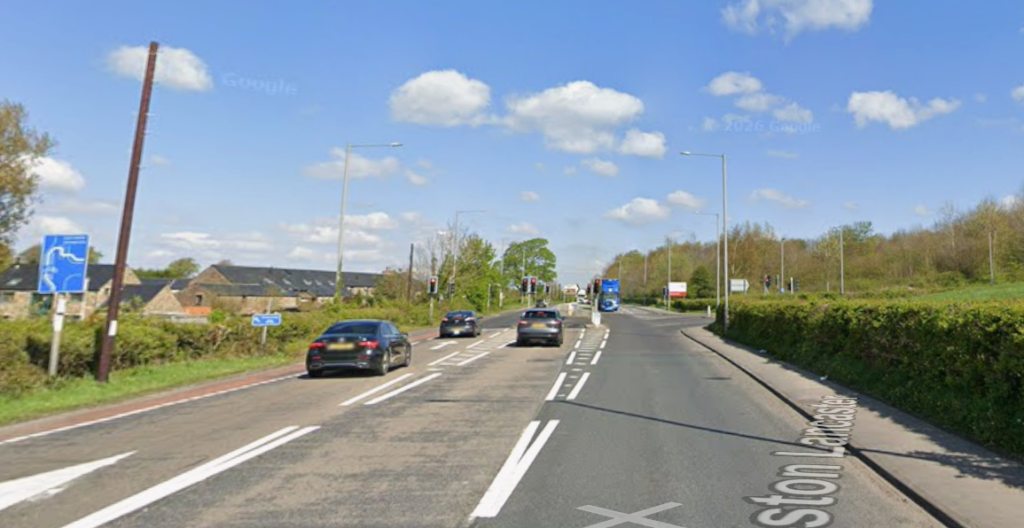
Leaving Galgate, the road becomes more open as it approaches the motorway. Drivers may accelerate after the village, but junctions, bends and property entrances remain.
The section can also be affected by:
- Surface water after heavy rain
- Mud from agricultural entrances
- Fog across open ground
- Low sun reducing visibility
- Slow-moving farm vehicles
- Queues extending back from Junction 33
Keep a generous following distance and reduce speed before bends or standing water.
M6 Junction 33
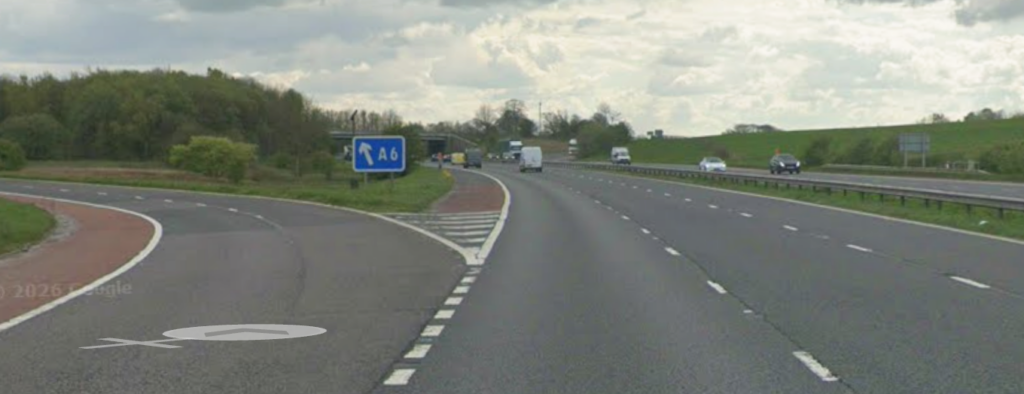
The southern end of the route reaches the M6 at Junction 33. This interchange carries local traffic, motorway users and heavy goods vehicles, creating a significant change from the rural approach.
Drivers may brake suddenly, move into position late or concentrate on direction signs instead of surrounding traffic. Approach the junction at a controlled speed and choose the correct lane early. Watch for queues and allow larger vehicles enough room to negotiate the roundabout.
Drivers leaving the motorway should take time to adjust from motorway speeds before joining the A6.
A busy road that demands patience
The A6 between Lancaster and Junction 33 is never just one type of road. A driver can move from city traffic to a university corridor, a busy village and a motorway interchange within a few miles.
The safest approach is to maintain a steady speed, leave a generous following distance and expect pedestrians, cyclists or turning vehicles at any time.
Whether travelling through Scotforth, Galgate or towards the motorway, patience and concentration are more valuable than saving a few seconds.