
The A683 from Lancaster to the A65 near Kirkby Lonsdale passes through one of Lancashire’s most attractive landscapes. It follows the River Lune through Caton, Claughton, Hornby, Melling, Tunstall and Burrow, offering sweeping countryside views along the way.
But beauty can disguise danger.
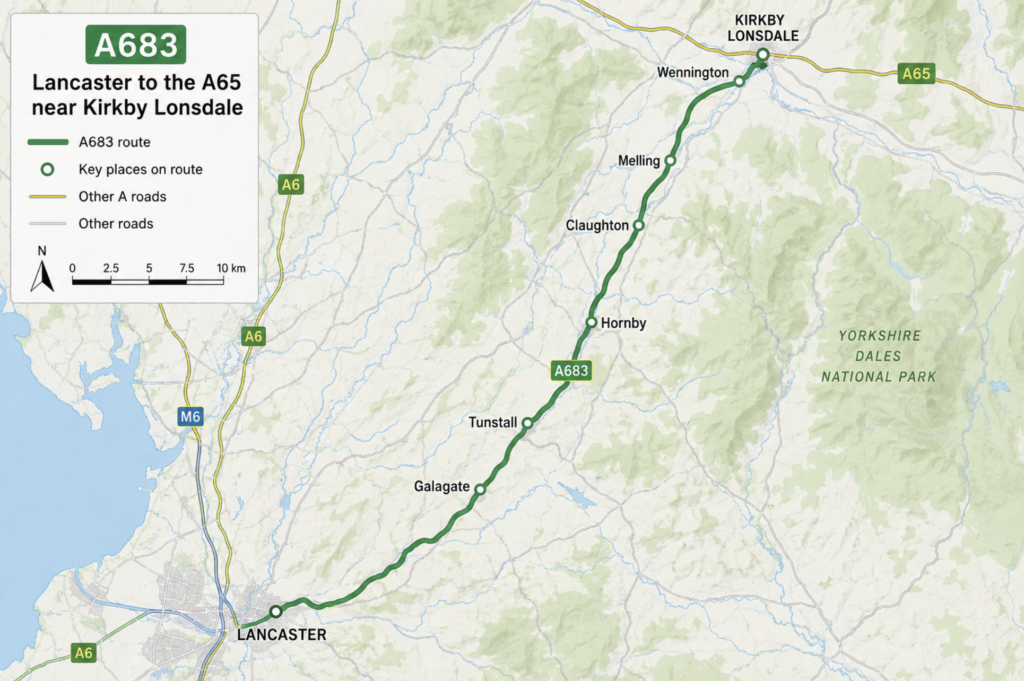
This is not simply a quiet country drive. The A683 is a strategic link carrying commuters, motorcycles, buses, agricultural vehicles and heavy goods traffic. It is also used as an official diversion when sections of the M6 are closed. Tight bends, concealed entrances, changing speed limits and village traffic can therefore combine with unexpectedly high vehicle volumes.
The Department for Transport identified the route as one of Lancashire’s historically most dangerous A-roads. That led to a multimillion-pound safety programme covering approximately 13 miles between M6 Junction 34 and the A65.
Why does the A683 present such a challenge?
The road changes character repeatedly.
One moment, a driver may be travelling through a settlement with homes, pedestrians and side roads close to the carriageway. Minutes later, the same driver is on an open rural section where the scenery and apparent lack of traffic can create a false sense of security.
Lancashire County Council says speeding has often been a factor in serious incidents on the route. The council has installed average-speed cameras, solar-powered LED road studs, high-reflectivity markings and approximately 3.5 kilometres of roadside safety barriers.
These measures help, but they cannot remove every bend, junction or moment of poor judgement.
M6 Junction 34 and the Lancaster approach
The western end of the route begins at the busy junction between the A683, the Bay Gateway and the M6.
Vehicles leaving the motorway encounter traffic heading towards Caton, Morecambe and Lancaster. Lane selection, traffic signals and sudden queues can demand quick decisions, particularly during peak periods.
The danger can increase dramatically when the M6 is closed. National Highways uses the A683 as part of a diversion between Junctions 34 and 36, sending additional traffic through Caton, Claughton, Hornby, Melling, Tunstall and Burrow. A road that usually feels rural can quickly become a busy trunk-road alternative filled with cars and HGVs.
Drivers approaching from the motorway should reduce speed early and expect queues beyond the junction.
Caton: local journeys meet through traffic
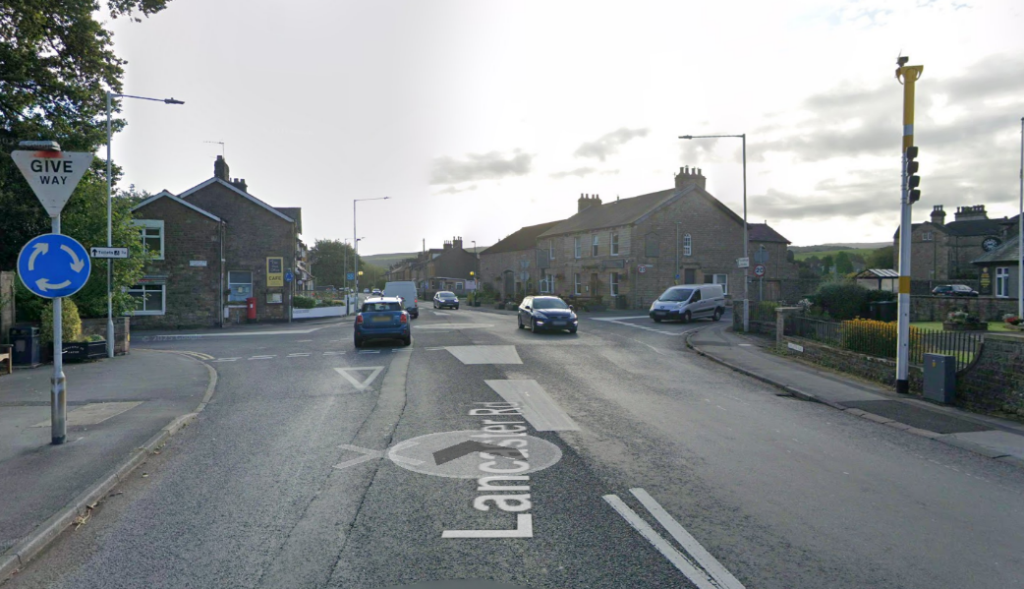
Around Caton, the A683 carries a mixture of residents, school traffic, buses and long-distance vehicles. Side roads and property entrances create regular turning movements, while drivers following one another too closely may have little time to react.
Claughton: buildings close to the road
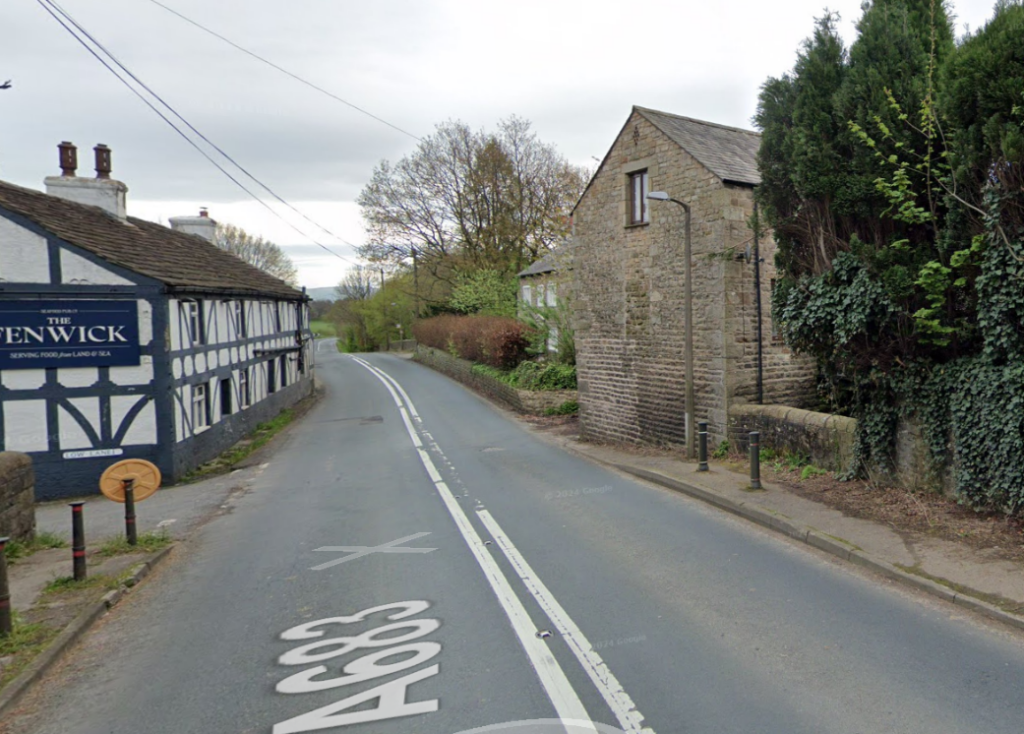
The road through Claughton feels noticeably constrained. Buildings sit close to the carriageway, visibility varies, and there is little room for error if a vehicle leaves its lane.
Hornby: junctions, village traffic and vulnerable road users
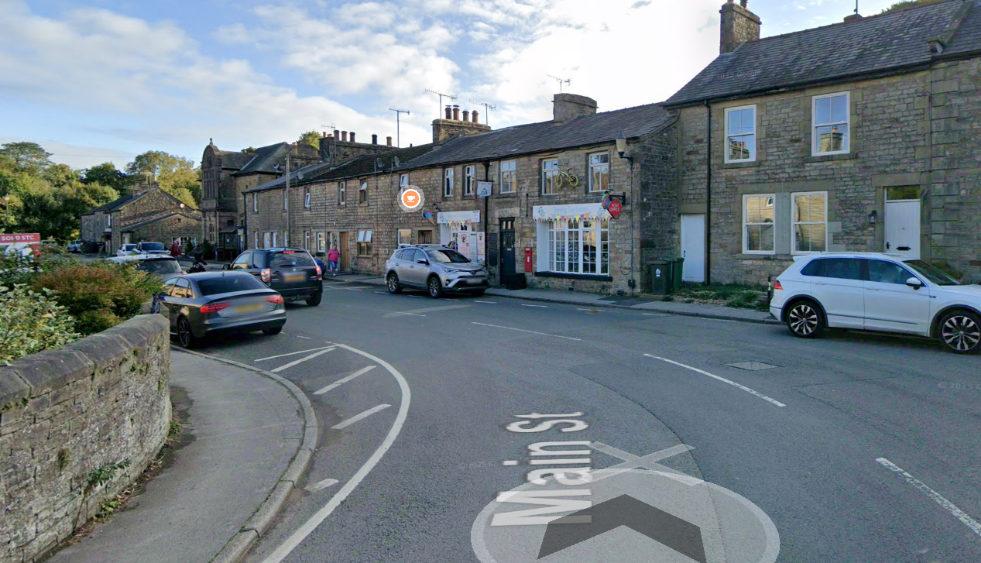
Hornby is one of the busiest settlements along the route. The A683 meets local roads serving the village and surrounding communities, while shops, homes and bus movements bring activity close to the carriageway.
Drivers must anticipate vehicles slowing or turning with limited warning. Pedestrians may also need to cross a road carrying traffic that has just arrived from a higher-speed rural section.
The transition from open road to village environment is crucial. Waiting until the first tight bend or junction before slowing down can be too late.
Melling: bends with serious consequences
The approach to and through Melling demands particular care. Rural bends, roadside accesses and mixed traffic can leave drivers with little time to respond to an obstruction or approaching vehicle.
There have been numerous incidents here, which underline how unforgiving a rural road can become when a vehicle leaves its intended path or encounters traffic.
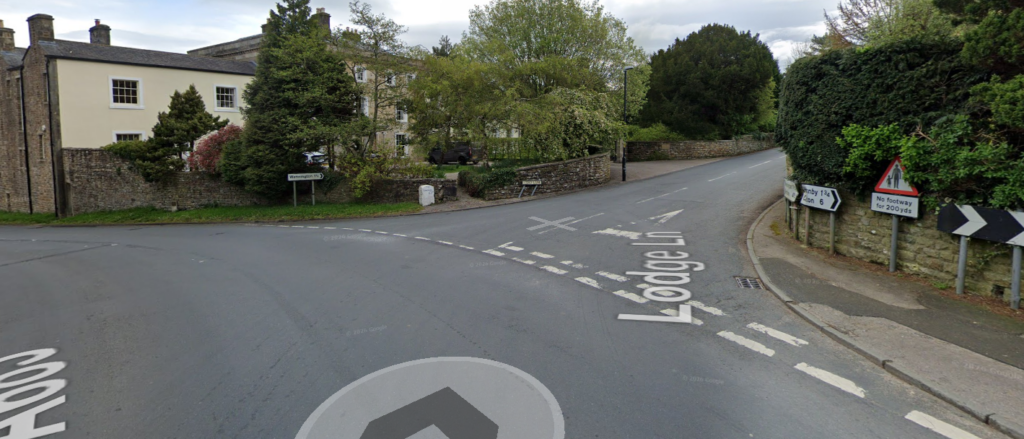
Tunstall and the road towards Burrow
Beyond Melling, the A683 continues through Tunstall and towards Nether Burrow. The road remains a mixture of bends, junctions and faster rural sections.
Motorcyclists are especially exposed because they lack the physical protection available to occupants of cars. Surface contamination, sudden braking, an error on a bend or a vehicle emerging from a side road can have devastating consequences.
The A65 junction
Near the eastern end, drivers reach the junction with the A65 outside Kirkby Lonsdale.
Here, vehicles may be turning across traffic or changing speed as they move between two important regional roads. Drivers unfamiliar with the area can hesitate, brake suddenly or enter the junction in the wrong lane.
Motorists should read the signs early, avoid last-minute overtaking and leave enough space for vehicles waiting to turn.
When the M6 closes, the risk changes
One of the A683’s less obvious hazards is its role as a diversion route.
When motorway traffic is redirected through the Lune Valley, the number and type of vehicles using the road can change quickly. Long lines of unfamiliar drivers may follow HGVs through villages and bends that were never designed to feel like a motorway substitute.
Congestion can encourage frustration, risky overtaking and short following distances. Residents may also find it harder to enter the road or cross it safely.
During an M6 closure, drivers should assume the entire A683 will take longer, not try to recover lost time by taking chances.
A safer way to travel the A683
The A683 is not dangerous at every point, and the occurrence of a collision does not prove that the road alone caused it. Nevertheless, its inclusion in Lancashire’s Safer Roads Programme confirms that its casualty history has warranted substantial intervention.
Anyone travelling the route can reduce the risk by:
- Treating speed limits as maximums, not targets
- Slowing before bends instead of braking sharply within them
- Leaving extra space behind HGVs, buses and motorcycles
- Expecting farm vehicles and traffic emerging from concealed accesses
- Watching for pedestrians and cyclists within villages
- Avoiding overtaking when the road ahead is not completely visible
- Allowing additional time when the M6 is closed
- Taking extra care during darkness, rain, fog or low winter sun
Respect the road behind the scenery
The A683 deserves respect precisely because it looks so inviting. Its scenery encourages exploration, but its bends, villages and changing traffic conditions demand concentration.
The lesson is not that motorists should fear the road. It is that they should never underestimate it.
From the motorway junction at Lancaster to the A65 near Kirkby Lonsdale, the safest journey is made by the driver who looks beyond the landscape, anticipates the next hazard and accepts that arriving a few minutes later is always better than not arriving at all.