
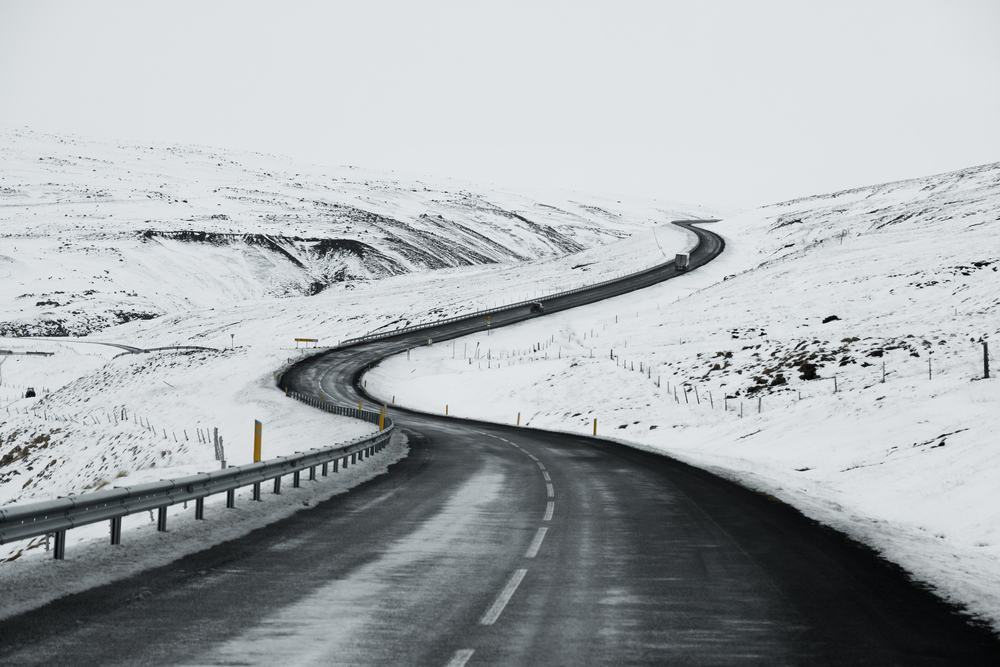
The first drive back after the Christmas break always feels a bit different. You’ve been out of routine; the car may have sat still for a few days, and you may not be quite up to speed with the early-morning, stressful commute just yet.
This year, the return comes with an extra complication: a proper cold spell. The Met Office has been warning that Arctic air is keeping temperatures well below average, with widespread frost and ice, plus a continued risk of snow showers and settling snow in some areas, making travel hazardous in places.
So as the UK-wide start-back gathers pace this week, here’s a practical look at road conditions, winter driving technique, and the psychology of getting back into safe-driving mode.
What the road are really like in a cold snap
Snow is the obvious one, but ice is the everyday danger, especially when the temperature hovers around freezing and surfaces repeatedly thaw and refreeze.
The Met Office has issued a network of snow and ice warnings across parts of the UK, alongside the added risk of widespread ice. The key point for drivers is to know it’s not snowing everywhere, but:
a. Conditions can vary hugely over short distances: a wet main road can turn into a glassy side road within minutes.
b. Treated roads are not safe roads: even if gritted, traction can still be poor, particularly on bends, hills, and junction approaches.
c. Untreated routes are where surprises happen: rural lanes, residential streets, and higher routes often catch people out first.
The Highway Code is blunt about it: don’t drive in icy/snowy conditions unless the journey is essential, and if you must travel, allow more time and take an emergency kit.
Do a return to work road check
When everyone goes back at once, traffic patterns change. Add in winter disruption, and you’ve got a lot more stop-start driving, more queuing traffic, and more last-second decisions.
A good approach is two quick checks: the road network and your car.
Check the road network (2 mins)
Use the official live sources for the part of the UK you’re in:
a. Met Office warnings/forecast – to plan ahead, it’s going to be very cold for the next week or so.
b. England (motorways & major A-roads): National Highways travel updates – they recommend checking the forecast and traffic conditions, planning your route, and considering delaying travel if snow/ice is expected.
c. Scotland: Traffic Scotland – use the map/route checker for disruptions, and their very useful trunk road gritter tracker to see where salt treatment has been applied.
d. Wales: Traffic Wales – check traffic alerts/maps/CCTV and follow their winter travel planning guidance.
e. Northern Ireland: TrafficWatchNI – they publish weather warnings and winter service updates, including notes about salting and the risk of ice on untreated roads.
Check your vehicle (5 mins)
The Highway Code is clear that before setting off you must be able to see, clear snow/ice from all windows, ensure lights are clean, mirrors are clear, and remove snow that could fall onto the road.
Then do a quick “winter basics” scan:
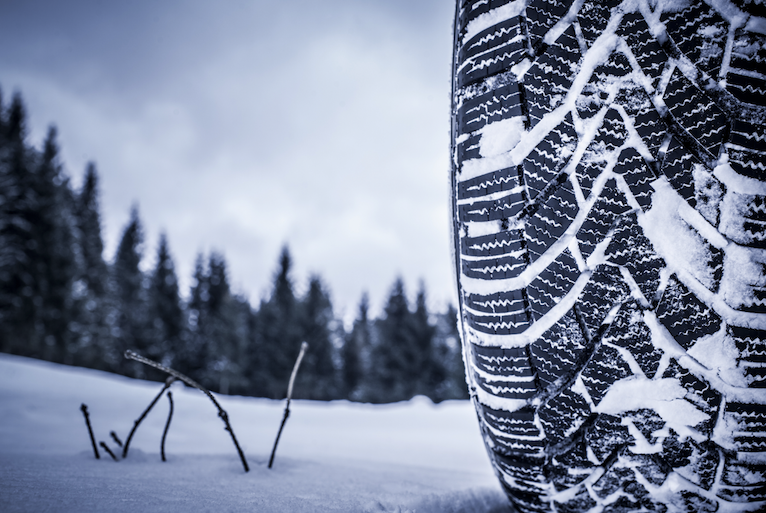
a. Tyres: tread, pressure, and visible damage.
b. Wipers & screenwash: you want clean visibility in spray/slush.
c. Lights: winter commutes often mean darkness or flat light.
d. Fuel/charge: keep more in reserve than you normally would.
Winter tyres can help with traction, and they can reduce stopping distance (in the right conditions) compared with summer tyres.
Three key points
If you take only one idea into your first week back, make it this:
On icy or snowy roads, stopping distances can be up to ten times greater than on dry roads.
That single point should shape everything else:
a. bigger gaps
b. gentler inputs
c. earlier braking
The Highway Code’s winter driving guidance focuses on avoiding sudden actions, using gentle acceleration and braking, going slow, and being especially careful on bends.
Technique refresh – how to drive when it’s icy, slushy or snowy
Here’s a practical first week commute back reset that works for most cars.
Pulling away
a. Be gentle: wheelspin is easy on cold surfaces.
b. Use a higher gear (or “winter” mode if your car has it) to reduce torque at the wheels. The Highway Code recommends slow speed in as high a gear as possible.
Following distance
a. Treat your usual gap as a minimum, not a target.
b. On motorways in particular, give yourself a buffer for sudden braking waves.
Braking
a. Brake earlier and more progressively.
b. If your car has ABS, keep firm, controlled pressure, don’t pump the pedal.
c. Avoid braking while turning if you can; slower on the straight, then steer smoothly.
Corners and Junctions
a. Junction approaches are often polished by repeated braking.
b. Road markings may be hidden (especially in slush). National Highways also flags extra caution at junctions in severe winter weather.
Watch for ‘invisible’ danger zones
Even if the road looks fine, be suspicious of:
a. bridges and overpasses
b. shaded sections
c. higher ground
d. places where water runs across the road and refreezes overnight
And remember: the Highway Code explicitly says to drive with care even if roads have been treated.

Pack like you might get delayed
This isn’t dramatic, it’s just realistic.
National Highways suggests carrying a winter kit (water, warm clothes, de-icer, scraper, torch, blankets, boots, shovel, phone charger, and more), especially if severe weather is forecast. The Highway Code also recommends an emergency kit including de-icer/scraper, torch, warm clothing/boots, first aid kit, jump leads, a shovel, plus warm drink and emergency food.
You’re not planning to be stranded. You’re planning to be comfortable and safe if you’re delayed.
The psychology of the first commute back
Road safety isn’t only tyres and technique. It’s also what’s going on between your ears, especially in the first week back.
Here are the most common “post-Christmas driving mind traps” and what to do about them.
Mind trap 1 – ‘Holiday Brain’ (reduces sharpness, slower scanning)
After time off, you can be a little out of practice: less automatic mirror-checking, slower hazard anticipation, more time to settle into busy commuter traffic flow.
Fix: Do a 20‑second “start-up scan” before moving:
a. mirrors,
b. seat position,
c. demist,
d. where are the hazards likely today (ice at the roundabout, school traffic, low sun)?
It sounds basic, but it switches you from a passenger mindset to a driver mindset.
Mind trap 2: Rushing to “make up time”
When you’re already late, it’s tempting to drive like time is something you can win back.
Fix: Build in a buffer and commit to it.
If conditions are wintry, leaving 10 minutes earlier.
Mind trap 3: Distraction (phones, sat nav fiddling, work thoughts)
Returning to work often means your head is full of emails, meetings, and to-do lists. That mental noise is a form of distraction even before you touch your phone.
Fix:
a. Set navigation before you move.
b. Put your phone on Do Not Disturb for the drive.
c. If you feel mentally “elsewhere,” narrate the drive quietly: “van in mirror, pedestrian near kerb, slick patch ahead.” It pulls attention back to the road. This is commentary driving which we teach with our on-road courses.
Mind trap 4: Fatigue (and the back to early alarm shock)
Sleep patterns often shift over Christmas. Early starts return suddenly. Cold weather can also make you feel sluggish.
Brake warns that tired drivers have slower reaction times and reduced attention, and notes that research suggests driving tired can be as dangerous as drink-driving.
Fix:
a. Be honest about your alertness.
b. If you’re struggling to focus, stop somewhere safe, take a break, get warm, and reset.
c. Don’t “push through” if you feel yourself zoning out.
Mind trap 5: Irritability and ‘everyone else is the problem’
When the road network is disrupted, tempers shorten. Your risk rises when you start driving emotionally rather than strategically.
Fix: Use a simple rule: “Slow is smooth; smooth is safe.”
Make it your mantra for the first week back.
A checklist for tomorrow morning
Before you leave
a. Check forecast/warnings and live traffic for your route.
b. Clear all windows, lights, mirrors, and the roof.
c. Pack/confirm a winter kit (especially if you’re travelling further).
On the road
a. Increase distance – it’s easy to get used to following the vehicle in front and forgetting distances, especially if they are driving slower than you would on a stretch of road.
b. Gentle steering/braking/acceleration; slower and controlled before bends.
c. Stay off shortcuts you don’t trust, as untreated lanes can be treacherous.
In your head
a. Add time, remove urgency.
b. Phone away, attention on.
c. If tired: stop, reset, then continue.