
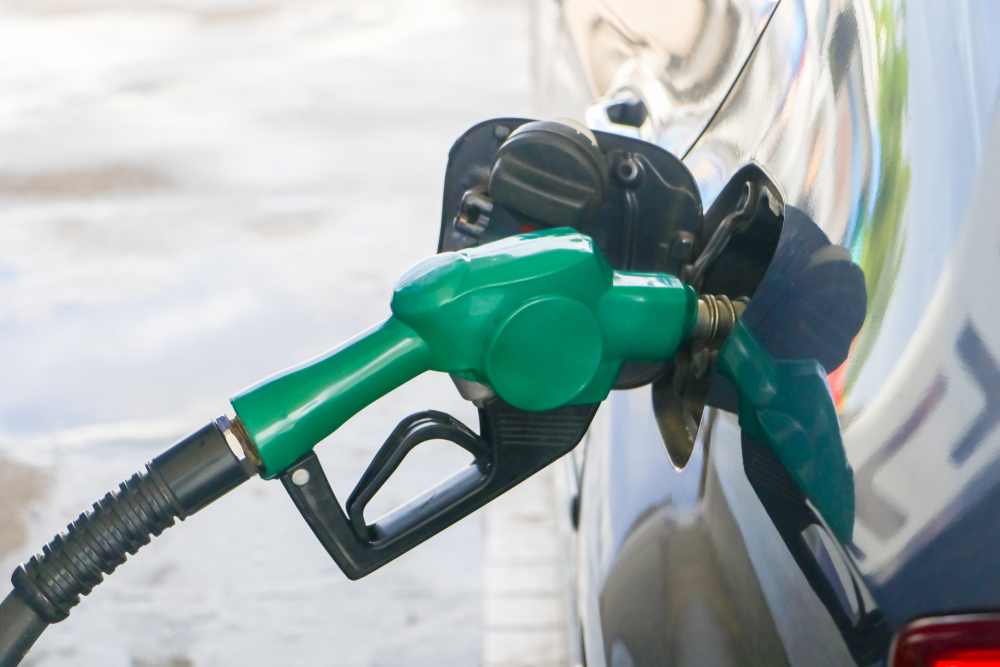
With oil markets rattled again by conflict in the Middle East, drivers and van operators are back to watching forecourt prices with a sense of dread. So if you want to spend less on fuel but already know and have tried the usual tips, here are five smart tactics.
1) Be aware of cold starts
A cold engine, cold gearbox oil and a cold catalyst make short trips disproportionately thirsty. That means three separate two-mile errands can cost more fuel than one six-mile loop done properly. For van drivers, it can also mean that moving the vehicle from one nearby call to the next is more expensive than parking once and walking for five minutes.
The point here is planning, not pace.
Plan your day so that, if possible, the shortest hops happen after the engine is warm. If you run a service van, cluster jobs by nearby area rather than by postcode. And don’t sit there warming it up on the drive: idling burns fuel while achieving precisely zero miles per gallon. Several short trips from a cold start can use twice as much fuel as a single warm trip covering the same distance. Letting the car idle to warm up does not improve fuel economy.
2) Treat refuelling as a planned en-route procedure, not a random afterthought
A lot of drivers still buy fuel as if price isn’t really an issue: they glance at the nearest forecourt, accept their fate, and fill up.
The UK government’s Fuel Finder service went live in February 2026 and brings together live forecourt prices, with traders required to submit updates within 30 minutes of a price change. Prices can vary widely even over a very short distance; we have seen a 32p-per-litre gap between two filling stations just 3 miles apart. On a 60 litre fill up that’s almost £20.00
If you know a cheaper station sits on tomorrow’s school run, airport drop, or client visit, buy there. If a forecourt near the motorway is habitually expensive, stop using it just because it’s familiar. Plan refuelling intelligently.

3) Remove the drag you’ve normalised
Some drivers have become so used to roof bars, pods, racks, ladders and external clutter that they stop seeing them. But your fuel bill still sees them.
Carrying items on roof racks can cut fuel economy by up to 8%.
For vans, this is even more important. An unused ladder rack, pipe tube or other add-on can quietly tax every mile you do. If you genuinely need it daily, fair enough. If you only need it twice a month, remove it or rethink the setup. A surprising amount of fuel is spent pushing unused equipment through the air.
4) Learn your route’s traffic flows, not just its geography
Most people know their route. Very few know its flow. That is important because a route which involves lots of stops/starts can be far less efficient than a route which is better flowing, even if it’s a little longer.
Change your thinking from, What’s the quickest route? to What’s the best flowing route?
Leave six minutes earlier, and you may hit a different traffic-light cycle. Leave nine minutes later, and the school-run queue might have gone. This is where drivers can save money. You are not trying to be slow. You are trying not to waste energy rebuilding speed you never needed to lose.
5) On rolling roads, let speed flex a little
Cruise control is brilliant on the right road. But it’s not ideal for every road.
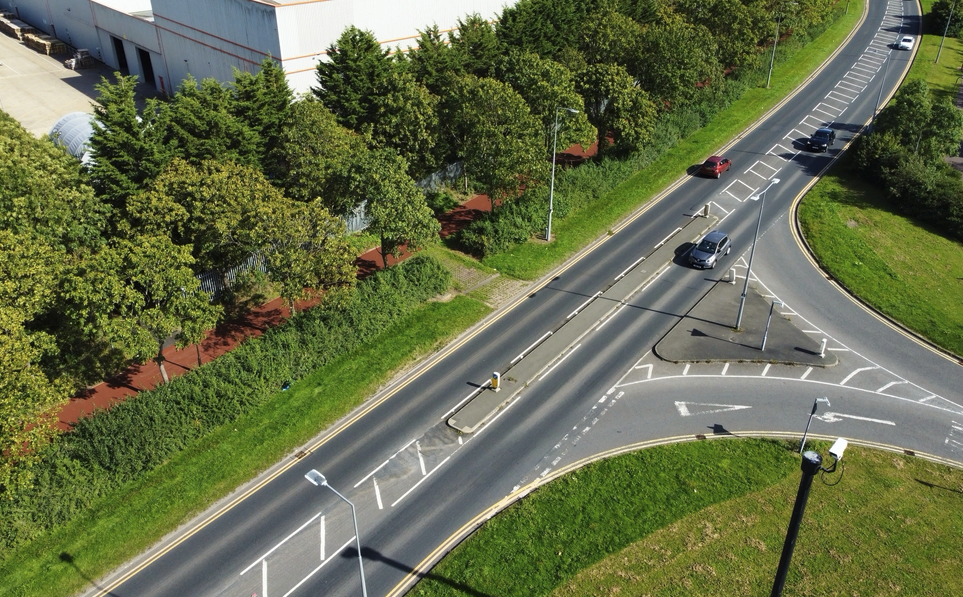
On an undulating A-road, a rigid insistence on one exact speed target can lead to unnecessary throttle openings uphill and pointless effort near the crest. A thoughtful driver can often do better by allowing a small, legal, sensible speed bleed on the climb and a gentle regain on the descent.
This works because fuel economy falls quickly as aerodynamic drag rises. Above 60mph, the economy drops rapidly. Higher speeds increase aerodynamic drag and reduce fuel economy.
On the right road, with the right view, a little breathing space in your speed can save more fuel than obsessively pinning it.
The bigger point
Fuel saving is often presented as a moral sermon: be slower, be duller, enjoy less.
That misses the point.
The best fuel-saving drivers are usually the most organised. They batch cold starts, buy fuel intelligently, remove drag, read traffic early, and let the vehicle work with physics instead of against it. It’s not penny-pinching. It is roadcraft applied to running costs.
Other tips, which we have mentioned before, include:
1. Checking your tyre pressures
2. Avoid excessive speed
3. Increase your forward planning and observation
4. Avoid excessive braking
5. Making sure your vehicle is regularly serviced